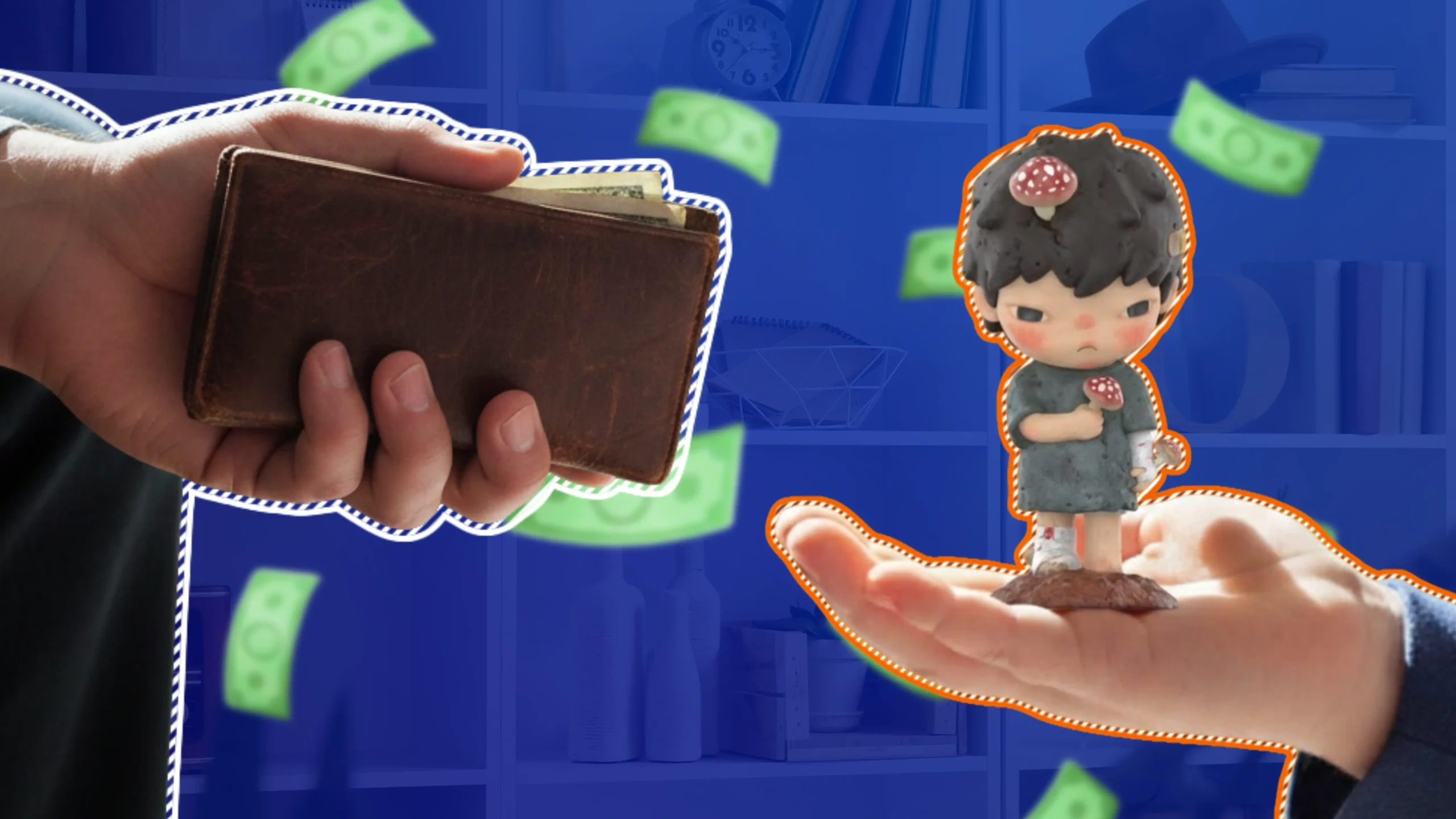
You’ve seen it on your feed. Someone unboxing yet another Sonny Angel, Labubu, or Hirono figurine, calling it self-care. Your friend is buying their third collectible this month because they “never had nice things growing up.” Maybe you’ve justified your own late-night shopping spree the same way.
The phrase “healing your inner child” has evolved from therapy speak into the ultimate shopping justification. What started as a legitimate psychological framework has become social media’s favorite reason to spend money. The line between genuine emotional healing and glorified retail therapy has gotten blurry.
Let’s unpack what’s really happening when we swipe our cards in the name of healing.
What Inner Child Healing Actually Means
The “inner child” refers to the part of your psyche shaped by your earliest experiences. The theoretical roots trace back to Carl Jung’s “Divine Child” archetype developed in the early 20th century, though the term “inner child” itself was popularized through John Bradshaw and other clinicians in the 1980s. This part of you holds your first joys, fears, and the rules you learned about love and safety.
Clinical psychologist Damon Mitchell describes inner child healing as “a profound and transformative journey toward self-discovery.” When this part of you experiences hurt through criticism, abandonment, or lack of emotional support, it shapes how you behave as an adult.
You might struggle to trust people. Feel “not good enough” despite your achievements. People-please to avoid rejection. React explosively to minor triggers.
John Bradshaw pioneered inner child therapy through his bestselling book Homecoming: Reclaiming and Championing Your Inner Child. He examined how childhood abuse, neglect, and abandonment manifest in adult addiction and codependency, with the goal of helping people “reclaim, heal and champion the child” within.
Bradshaw’s method didn’t involve trips to Pop Mart, though. It required emotional work, not shopping.
The Science Linking Childhood Wounds to Shopping Carts
A 2024 study published in the Journal of Child & Adolescent Trauma found that greater adverse childhood experiences and trauma were positively correlated with impulsive spending. Researchers Richardson, Egglishaw, and Sood discovered that emotion dysregulation and impulsivity mediated this relationship. In simpler terms, childhood trauma makes it harder to manage emotions, and when emotions run high, you’re more likely to make impulse purchases.
Financial psychotherapist Vicky Reynal, author of Money on Your Mind, explains that “our formative emotional experiences significantly influence our adult selves.” Someone who experienced a stable childhood may feel deserving of good things. Someone who faced neglect might develop problematic financial behaviors to compensate.
Our money beliefs form by age seven. This early programming can manifest as scarcity mindset (struggling to enjoy earnings despite having resources), compensatory spending to fill childhood voids, or guilt patterns around any expenditure.
Compensatory consumption describes people purchasing products to satisfy emotional needs unfulfilled elsewhere, creating a cycle where buying temporarily resolves internal conflict without addressing root causes.
Filipino Gen Z and Millennials Are Spending Their Feelings
Filipino spending trends reveal a strong emotional component, particularly among younger generations. A 2024 study by The Fourth Wall and Uniquecorn Strategies surveying 400 Gen Z consumers in Metro Manila found that 3 in 4 urban Filipino Gen Zs shop online specifically because they “deserve it.” This “deserve ko ‘to” mindset is driven by happiness-seeking, FOMO, and the need to reward themselves after work or study stress. On average, they make six online purchases per month.
The emotional spending pattern extends beyond Gen Z. The cultural underpinning is real: pakikisama pressure to maintain group harmony leads many Filipinos to overspend on social occasions and shared expenses to avoid being seen as kuripot. As marketing expert Josiah Go puts it: “Filipinos buy based on emotion and justify with logic.” A 2022 TransUnion Consumer Pulse Study found 46% of Filipino consumers were unable to fully pay at least one current bill or loan, highlighting the financial strain of emotional spending habits.
A 2025 systematic review analyzing 55 studies on Gen Z impulse buying found that social media marketing, peer influence, and emotional triggers consistently drive unplanned purchases among younger consumers globally.
The Collectibles Phenomenon
One of the most visible manifestations of “inner child healing” spending is the surge in adult collectibles, particularly Japanese designer toys.
Sonny Angels, 3-inch figurines originally launched in 2004 as “Pocket Boyfriends” for young women, have experienced a massive boom in popularity. Content creators showcase mystery unboxings and prized collections across social media.
Labubu dolls by Pop Mart have become the “it” accessory for adults, often hanging from designer bags as fashion statements doubling as emotional comfort objects. Hirono figurines have similarly captured attention as part of this collectible toy boom, appealing to adults seeking nostalgic comfort through whimsical designs.
The “kidult” trend, where adults indulge in hobbies, products, or activities traditionally associated with children, has boomed in the 2020s. This pattern connects to comfort-seeking behavior during economic uncertainty, where familiar childhood icons are reintroduced as premium or limited-edition collectibles marketed toward now-adult fanbases.
The question emerges: Are people really healing, or just engaging in retail therapy with better marketing?
What’s clear is that “healing your inner child” has become a cultural shorthand that bridges genuine psychological need with consumer desire. The language of therapy now lives comfortably alongside haul videos and unboxing content, making it harder to distinguish self-care from spending habits.
ALSO READ: 9 Psychological Reasons Behind Impulse Buying
FAQs: Healing Your Inner Child
What is inner child healing?
Inner child healing is a therapeutic process of recognizing and nurturing the emotional and psychological aspects of your childhood self, often wounded by past experiences like criticism, neglect, or lack of emotional support. The theoretical roots trace back to Carl Jung’s “Divine Child” archetype developed in the early 20th century, though the term “inner child” itself was popularized through John Bradshaw and other clinicians in the 1980s.
Does childhood trauma really affect spending habits?
Yes. A 2024 study published in the Journal of Child & Adolescent Trauma found that childhood trauma positively correlates with impulsive spending. Emotion dysregulation and impulsivity mediate this relationship, meaning trauma makes it harder to manage emotions, which then triggers impulse purchases.
Why do Filipino Gen Z and millennials spend more emotionally than older generations?
A 2024 study by The Fourth Wall found that 3 in 4 urban Filipino Gen Zs shop online because they “deserve it,” driven by happiness-seeking, FOMO, and stress relief. This trend connects to cultural factors like pakikisama (social harmony pressure) and the influence of social media haul culture. Marketing expert Josiah Go notes that “Filipinos buy based on emotion and justify with logic.”
Are Sonny Angels, Labubu, and Hirono considered emotional support items?
These collectibles have become popular comfort objects adults justify as “healing their inner child.” Sonny Angels were originally launched in 2004 to lessen stress in young women, marketed as “Pocket Boyfriends” that “may bring you happiness.” While they can provide temporary comfort, mental health professionals caution that physical items don’t address underlying emotional work needed for genuine healing.
What role does social media play in emotional spending?
A 2025 systematic review of 55 studies found that social media marketing, peer influence, and emotional triggers consistently drive unplanned purchases among Gen Z consumers globally. Social comparison and FOMO are key psychological triggers, with platforms like TikTok and TikTok Shop particularly conducive to impulse buying.
How does Filipino culture influence emotional spending?
Pakikisama, the Filipino cultural value of maintaining social harmony, creates pressure to overspend on social occasions and shared expenses to avoid being seen as kuripot (stingy). A 2022 TransUnion study found 46% of Filipino consumers were unable to fully pay at least one current bill or loan, showing the financial strain of these spending patterns.
M2.0 Communications is a Public Relations Firm that specializes in business, technology, and lifestyle communication. We offer a range of PR services including crisis communications, media relations, stakeholder management, influencer marketing, and video production. Learn more about our work on our case studies page.